Fruits · Apple
How to pick a ripe Apple
Taut, smooth skin with no wrinkling — on two-tone apples, yellow under the blush
How to pick
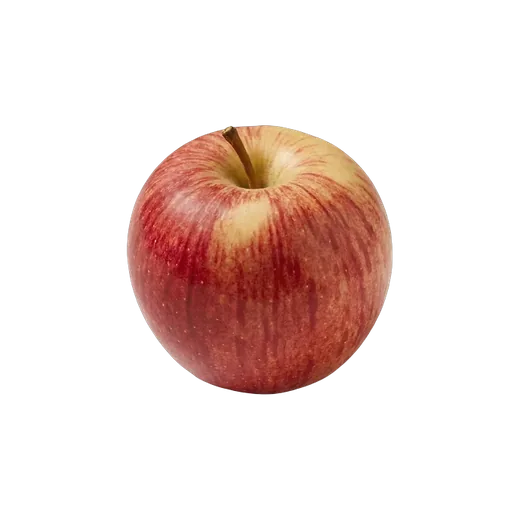
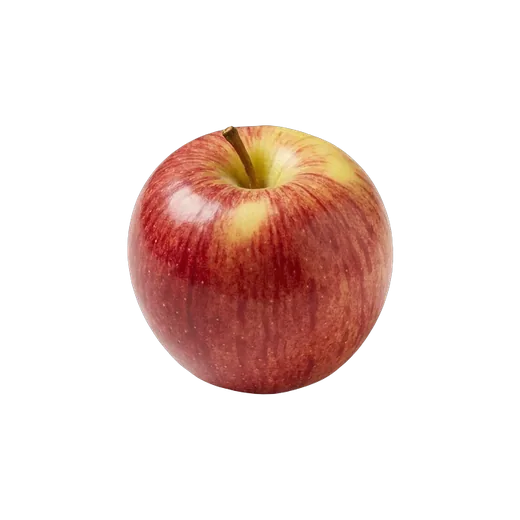
On a two-tone apple — a red blush over a lighter background — check the part of the skin that isn't red. Pale yellow showing through the blush means it was harvested ripe; a leafy green usually means it was picked early, though the right shade differs by variety. On an apple that is red all over, look at its palest part — the hollow around the stem, or the side that grew in shade. Some apples turn red before they are ripe, so the red alone doesn't tell you. For any variety: look for skin that looks taut, with no wrinkling — an apple that has dried out in storage starts to shrivel. Check the stem: it should be present and not shriveled. Roll the apple lightly in your palm and scan the whole surface visually for any sunken or off-color patch — soft spots often show as a slight surface depression or discoloration before they feel soft.
Red flags
- Sunken or discolored patch on the surface — a visible depression or browning indicates bruising or early decay underneath
- Visible wrinkling or shriveling, even slight — significant water content has been lost
- Small, dark, sunken pinpoint spots scattered on the skin (bitter pit) — indicates a calcium deficiency disorder causing corky, bitter flesh underneath, distinct from bruising
When will it be ripe?
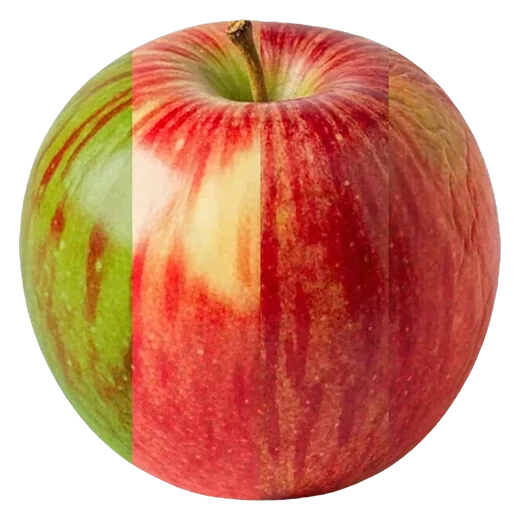
- Green ground · picked early The skin between the red blush is still hard green, with no yellow showing through.
- Cream ground · keeps a while The ground color between the blush has turned pale cream, and the skin is taut and shiny.
- Yellow ground · eat now Bright yellow glowing through the red blush, and the skin taut and smooth.
- Wrinkling · going soft Fine wrinkling has started on the skin, and there may be a sunken patch.
How to store
Refrigerate immediately at 32–40 °F (0–4 °C), loosely sealed in a plastic bag in the crisper drawer to maintain 90–95% relative humidity. Short-keepers: McIntosh lasts 4–6 weeks. Moderate-keepers: Gala and Honeycrisp last 1–2 months. Long-keepers: Fuji, Granny Smith, and Red Delicious can last 2–3 months if kept cold. Apples held at room temperature deteriorate roughly 10× faster than refrigerated fruit. Store away from other produce: apples are high ethylene producers and will accelerate ripening and senescence of broccoli, leafy greens, and cucumbers stored nearby. Exception: Honeycrisp is cold-sensitive — store at 37–40 °F (3–4 °C); sustained temperatures below 36 °F (2 °C) without prior conditioning can cause soft scald.
In the app
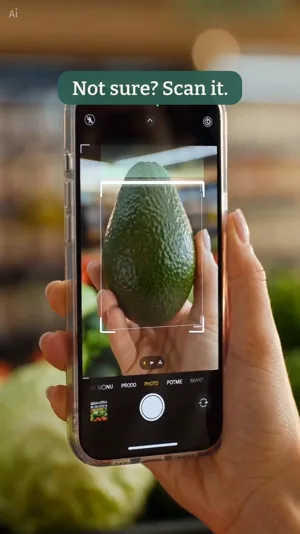
Scan
In the aisle, in seconds
Point the camera: pick or pass for that exact item, and the cue to trust next time.
Season where you live · Nutrients · Taste · Myths · Ayurveda


Free to install.
More to pick
Picking, storage, and freshness guidance is drawn from peer-reviewed postharvest research and agricultural extension sources. The sources are named in the app.