Vegetables · Green Corn
How to pick good Green Corn
Deep green husk, plump rounded tip — pick it fresh
How to pick
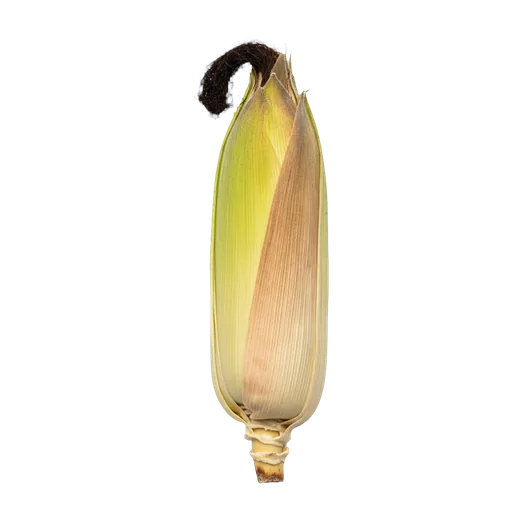
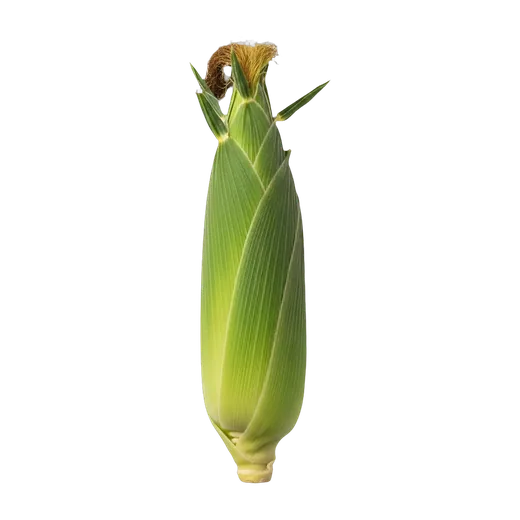
Look at the husk first — it should be deep green and tightly wrapped, feeling slightly cool and moist. Yellowing, browning, or papery husks mean the cob has been sitting. Check the cut base of the stalk: pale green or cream means recently snapped; dark brown or dried means older. Then press lightly at the tip through the husk — it should feel plump and rounded, not hollow or pointed. A soft or hollow tip means the cob was poorly pollinated or has dried out. Silk will typically be brown and dry on local green corn at the market — that is normal. Reject it only if silk is black, slimy, matted, or foul-smelling, which signals active rot. In market stalls where husks are already pulled back, look directly: kernels should be tightly arrayed with no gaps, no dark spots, no shriveling.
Red flags
- Silk is black, slimy, foul-smelling, or matted with mold — rot has reached the tip.
- Husk is yellowing, brown, or papery-dry rather than deep green
- Tip feels hollow or soft when pressed through the husk — unfilled or shriveled kernels
- Holes or dark granular debris near the silk tip — earworm has entered the cob
- Cut base of the stalk is dark brown or dried — cob was harvested days before reaching the stall
- Sour or fermented smell from the cob
How to store
Keep in the husk and use the day of purchase — in hot weather (82–95 °F [28–35 °C]), kernels lose moisture and toughen within hours. Refrigerate with husks on if storing overnight; use within 2–3 days. Do not leave in the sun — quality drops fast.
In the app
Scan
In the aisle, in seconds
Point the camera: pick or pass for that exact item, and the cue to trust next time.

Season where you live · Nutrients · Taste · Myths · Ayurveda


Free to install.
More to pick
Picking, storage, and freshness guidance is drawn from peer-reviewed postharvest research and agricultural extension sources. The sources are named in the app.