Fruits · Grapefruit
How to pick a ripe Grapefruit
Pick the heaviest on the display — weight means juice, gloss means fresh
How to pick
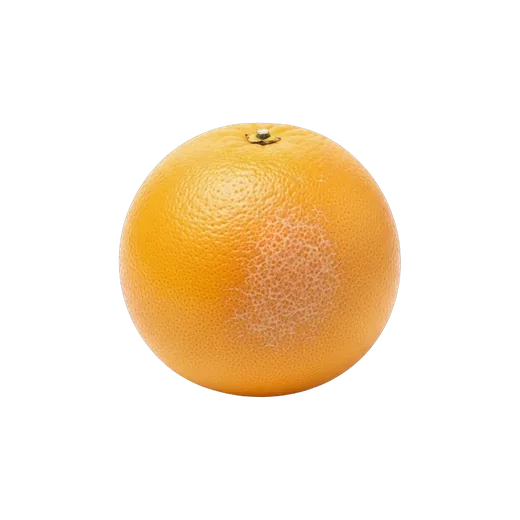
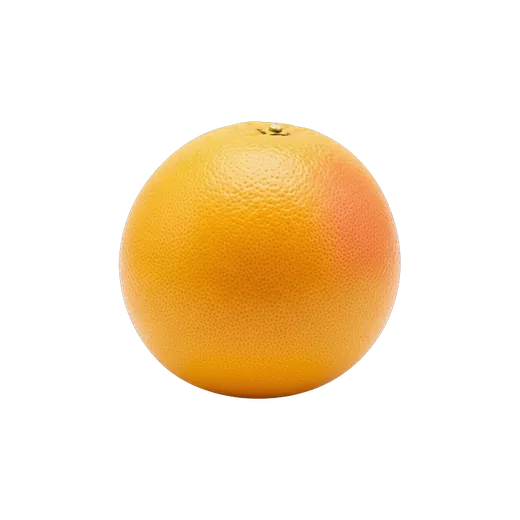
Pick up the grapefruit — a juicy one is noticeably heavy for its size because the flesh is dense with liquid. A light grapefruit has either dried out internally or is puffy with thick rind and little juice. Then look at the skin: fresh grapefruit has a subtle natural waxy sheen that makes it look slightly lustrous, the rind catching light gently. A matte, flat, or chalky-looking rind means the epicuticular wax has broken down — quality declining. Skin color is variety-dependent: golden-yellow (Marsh Seedless), yellow with pink blush (Rio Red, Star Ruby, Flame) — a green tinge does not mean unripe.
Red flags
- Feels light for its size — dried out internally or pith-heavy with little juice
- Matte, flat, or chalky rind surface — wax sheen gone, internal quality declining
- Very soft or spongy patches anywhere on the rind when cradled in the palm — decay inside
- Wrinkled, puckered, or shrunken skin — significant moisture loss in storage
- Moldy spots or wet breakdown near the stem or blossom end
How to store
Store at room temperature for up to 1 week. For longer keeping, refrigerate in the crisper drawer for up to 2 weeks — grapefruit prefers 50–58 °F (10–14 °C) and home refrigerators run colder, so some minor rind pitting may occur on longer storage, but flesh quality holds. Bring to room temperature 20–30 minutes before eating for best flavor. Pre-cut sections keep refrigerated in a sealed container for up to 3 days.
In the app
Scan
In the aisle, in seconds
Point the camera: pick or pass for that exact item, and the cue to trust next time.

Season where you live · Nutrients · Taste · Myths · Ayurveda


Free to install.
More to pick
Picking, storage, and freshness guidance is drawn from peer-reviewed postharvest research and agricultural extension sources. The sources are named in the app.