Roots · Beetroot
How to pick a good Beetroot
Bright green leaves, rock-hard root — that's a beet worth picking
How to pick
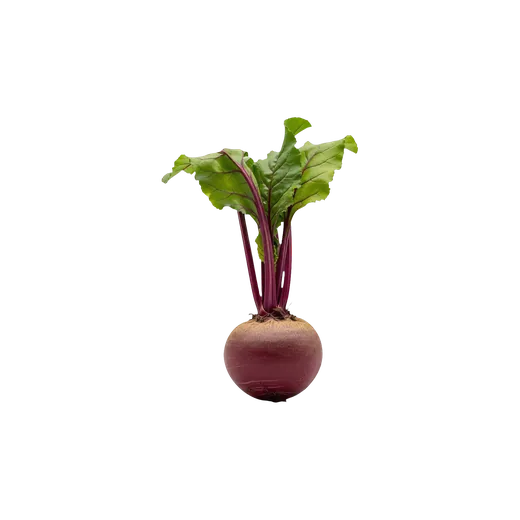
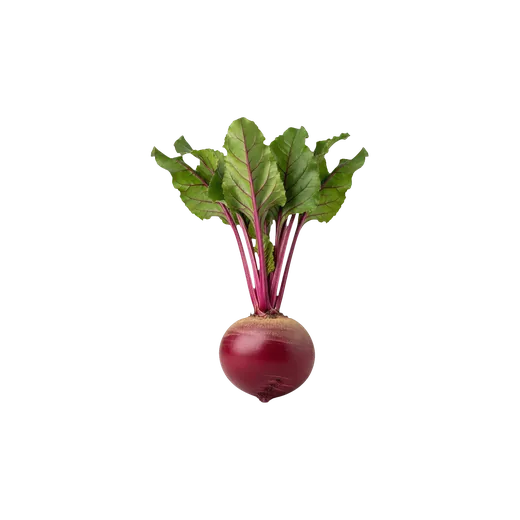
If leaves are still attached, read them before anything else — bright green, upright, slightly glossy leaves mean the beetroot was harvested very recently; wilted, yellowed, or slimy leaves tell you it has been sitting for days. For bare beets, look for smooth, uncracked skin and no soft patches. On the red varieties the color should be a rich, deep red-magenta, even all over; golden and Chioggia beets are read exactly the same way, just on their own color. Reach for medium-sized beets — roughly golf-ball to tennis-ball size — which will be more tender and sweeter than very large ones, which can turn fibrous and earthy. Cup the beet firmly in your whole hand: it should feel rock-hard with no give anywhere.
Red flags
- Wilted, yellowed, or slimy leaves on bunched beets — clearest sign of age
- Soft spots or areas that give slightly when cradled in the palm
- Deep cracks or splits in the skin — moisture stress during growing or storage
- Very large size (larger than a tennis ball) — likely fibrous and less sweet
- Shriveled skin with visible wrinkles — the root has lost its water and sugar; it will taste earthy and bland, not sweet
How to store
Remove leaves before refrigerating — they pull moisture from the root. Store bare beets unwashed in a perforated bag (or bag left slightly open) in the crisper; they last 2–4 weeks. If leaves are attached and you want to use them, store leaves and roots separately: leaves in a damp paper towel in a bag (use within 2–3 days), roots in a perforated bag (keep 2–4 weeks). Beets bleed pigment — handle carefully on light surfaces.
In the app
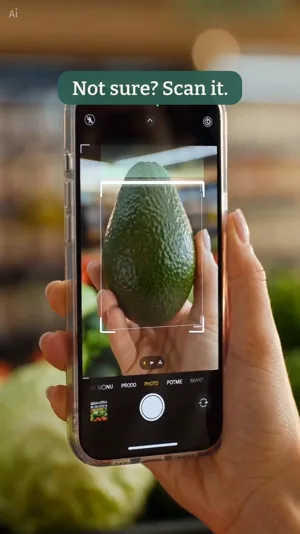
Scan
In the aisle, in seconds
Point the camera: pick or pass for that exact item, and the cue to trust next time.
Season where you live · Nutrients · Taste · Myths · Ayurveda


Free to install.
More to pick
Picking, storage, and freshness guidance is drawn from peer-reviewed postharvest research and agricultural extension sources. The sources are named in the app.