Roots · Garlic
How to pick good Garlic
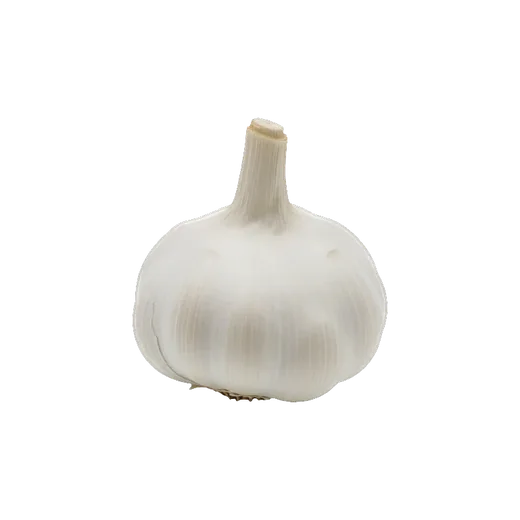
Heavy for its size, papery skin intact, no green at the neck — that's a bulb with full cloves
How to pick
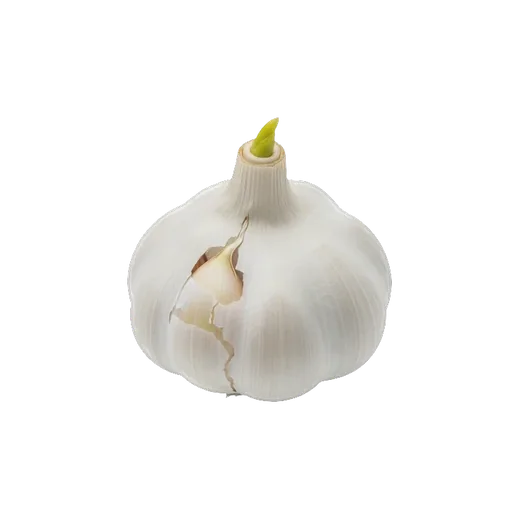
Pick up the bulb and feel its weight before you look at anything else — a good bulb is dense and noticeably heavy for its size. A bulb that feels light has already lost moisture, and those cloves will be shrunken and less pungent. Then look at the outer skin: it should be papery, dry, and completely intact, hugging all the cloves tightly. Finally check the neck — any green sprout tip emerging at the top means the bulb has broken dormancy and the cloves are now converting their stored sugars into that sprout. The garlic is still safe to eat but will taste noticeably more bitter, especially the sprout itself.
Red flags
- Light or hollow-feeling for its size — moisture has left the cloves; they'll be shriveled and weak-flavored
- Green sprout tip at the neck — dormancy broken; cloves are diverting their sugars into the shoot and will taste bitter
- Outer sheath torn, missing, or lifting away from the bulb — advanced moisture loss or physical damage
- Soft spot anywhere on the bulb — clove breakdown or early rot underneath
- Strong garlic odor from an intact, uncut bulb — compromised skin or early decay; a fresh whole bulb has minimal aroma through intact skins
- Sheath yellowing or brown mottling distinct from normal off-white — age or disease
How to store
Store whole unpeeled bulbs at room temperature in a mesh bag, open basket, or clay pot — somewhere cool, dry, and ventilated. Do not refrigerate whole bulbs: garlic sprouts fastest in the cool intermediate range of about 40–65 °F (4–18 °C), and a fridge's cold, humid air sits at the low edge of that zone — it encourages sprouting and mold rather than preventing them. At room temperature (68–77 °F [20–25 °C]), a whole head keeps 1–2 months. Once a head is broken into cloves, use within 10 days. Peeled cloves refrigerated in an airtight container last 1–2 weeks.
In the app
Scan
In the aisle, in seconds
Point the camera: pick or pass for that exact item, and the cue to trust next time.

Season where you live · Nutrients · Taste · Myths · Ayurveda


Free to install.
More to pick
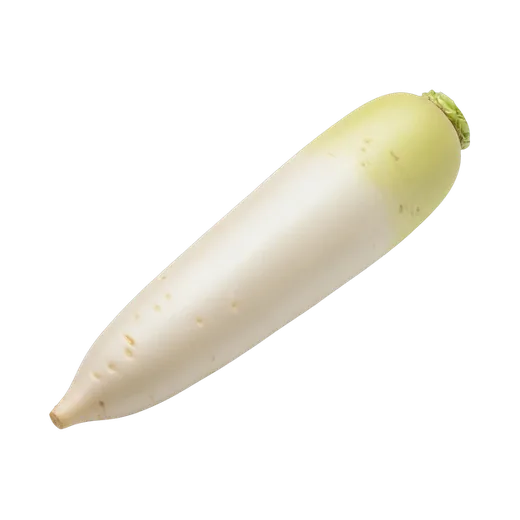
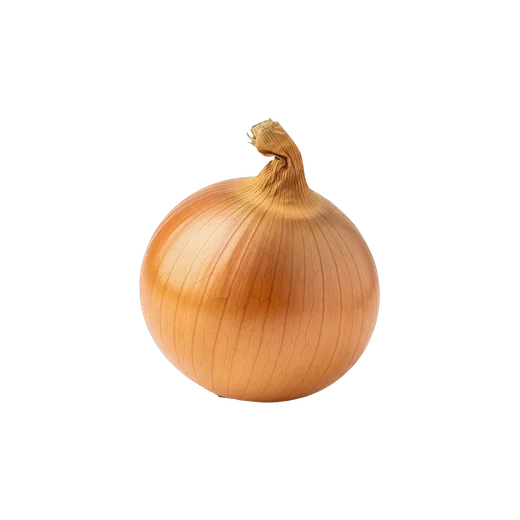
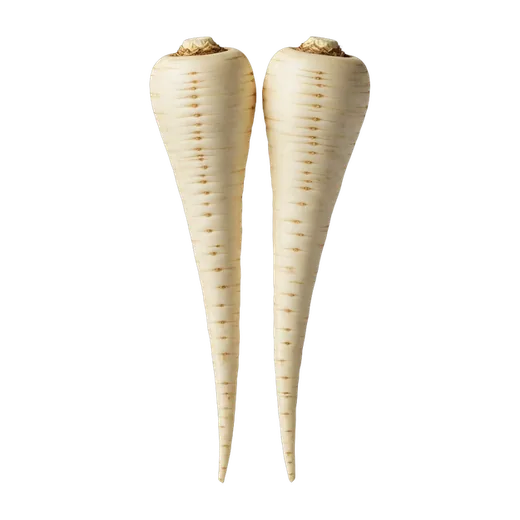
Picking, storage, and freshness guidance is drawn from peer-reviewed postharvest research and agricultural extension sources. The sources are named in the app.