Fruits · Blueberries
How to pick ripe Blueberries
That dusty frosted coat means bloom is intact — freshness you can see
How to pick
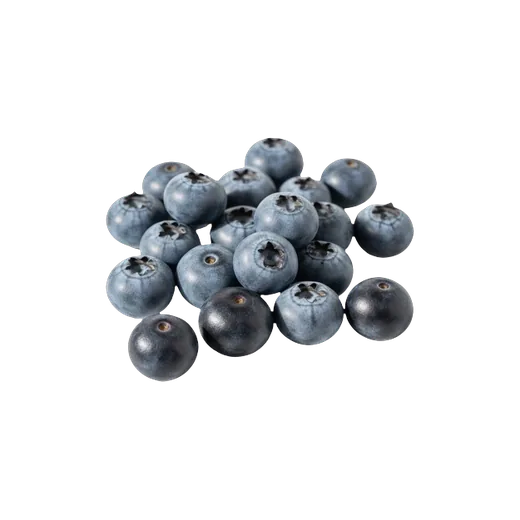
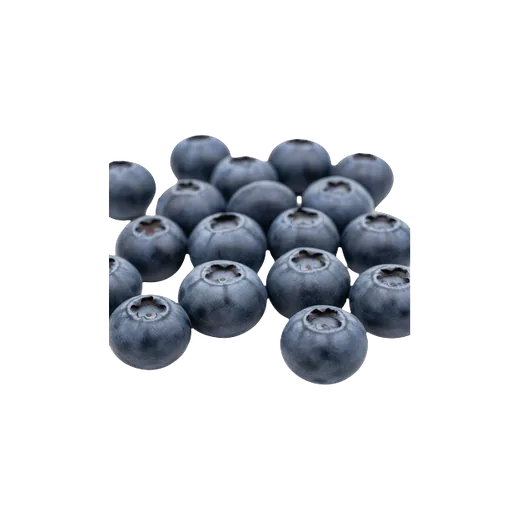
Look for the dusty, powdery, frosted coating on the berries — this bloom is the single strongest freshness cue. Fresh blueberries look matte and slightly silvery-blue because of intact waxy bloom; older berries that have been handled and jostled appear darker, shinier, and near-black as the bloom wears off. Check that berries are uniformly deep blue — avoid containers with red or pink unripe berries mixed in, or with many very dark near-black berries. Tip the container gently: berries should be loose, not matted. Look through the bottom of the clamshell for juice pooling — this means crushed berries underneath. No washing before storing — it strips the bloom and accelerates deterioration.
Red flags
- Shiny or near-black berries in significant numbers — bloom fully worn off, not just partially reduced
- Wet or very large stem scars on individual berries — primary entry point for Alternaria rot
- Juice pooling at the bottom of the clamshell — crushed or split berries underneath are leaking
- Visible mold on any berry — Botrytis spreads by nesting; one moldy berry contaminates neighbors
- Berries feel soft or yielding when container is gently pressed — firmness loss, quality declining fast
- Shriveled or wrinkled skin, especially around stem scars — significant water loss has occurred
How to store
Refrigerate unwashed in the original clamshell in the coldest part of your fridge (32–40°F [0–4°C]). Do not wash before storing — water strips the protective bloom and accelerates deterioration. Keeps 7–15 days refrigerated depending on initial freshness. Wash just before eating.
In the app
Scan
In the aisle, in seconds
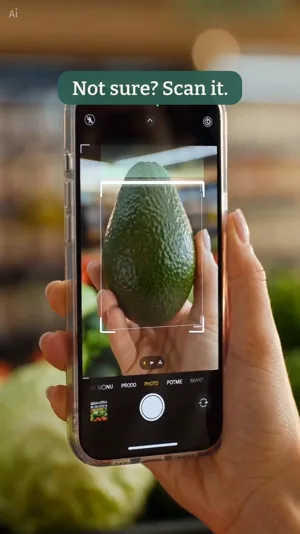
Point the camera: pick or pass for that exact item, and the cue to trust next time.
Season where you live · Nutrients · Taste · Myths · Ayurveda


Free to install.
More to pick
Picking, storage, and freshness guidance is drawn from peer-reviewed postharvest research and agricultural extension sources. The sources are named in the app.