Vegetables · Cabbage
How to pick a good Cabbage
Pick the heaviest head — solid density means no puffiness inside
How to pick
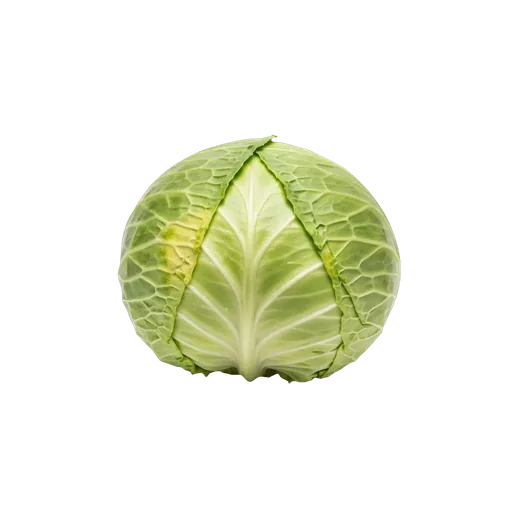
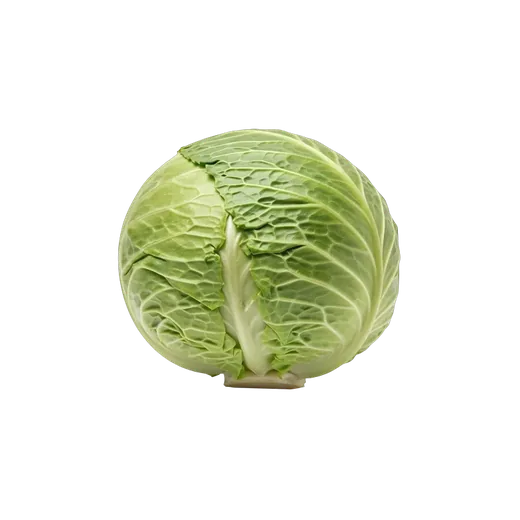
Pick up two heads of similar visual size and choose the heavier one — weight indicates internal solidity, while a light head for its size signals puffiness or air pockets inside. Look for outer leaves in a uniform medium to bright green with a silvery-gray waxy bloom; that frosty sheen indicates the epicuticular wax is intact and the head has been handled carefully and is in good postharvest condition. The wrapper leaves should wrap tightly around the head with no visible gaps or puffiness at the crown. Cradle the head in both palms and apply gentle overall pressure — a fresh head barely gives, feeling like a dense ball.
Red flags
- Pale or dull yellow-green at the outer leaf margins and tips — chlorophyll breaking down in the oldest leaves
- Papery, withered, or slimy outer leaves — moisture lost or bacterial decay beginning
- Wrapper leaves separating or pulling away from the head — early structural loosening signals internal air pockets and declining solidity
- A foul or putrid smell at the cut stem end — indicates bacterial soft rot with internal tissue maceration; do not buy
- Soft brown or water-soaked patches on outer leaves — early fungal or bacterial decay beginning at the surface
How to store
Refrigerate unwashed in a loose plastic bag in the crisper drawer — cabbage needs high humidity but not trapped moisture. Leave outer leaves intact; they protect the inner head. Optimal temperature: 32–40 °F (0–4 °C). Whole head lasts 1–2 weeks unwrapped; wrap tightly in plastic film to extend to 3–6 weeks (storage varieties may hold even longer). Do not wash before storing — moisture trapped in the leaf layers speeds decay. Cut cabbage: wrap the cut surface tightly in plastic film and use within 3–5 days. To freeze: shred or cut into wedges, blanch in boiling water for 1½ minutes (shredded) or 3 minutes (wedges), cool promptly, drain well, and pack in freezer bags.
In the app
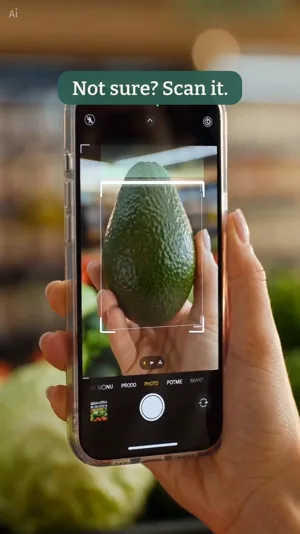
Scan
In the aisle, in seconds
Point the camera: pick or pass for that exact item, and the cue to trust next time.
Season where you live · Nutrients · Taste · Myths · Ayurveda


Free to install.
More to pick
Picking, storage, and freshness guidance is drawn from peer-reviewed postharvest research and agricultural extension sources. The sources are named in the app.