Vegetables · Sweet Corn
How to pick good Sweet Corn
Moist silk, vivid green husk — pick the freshest ear
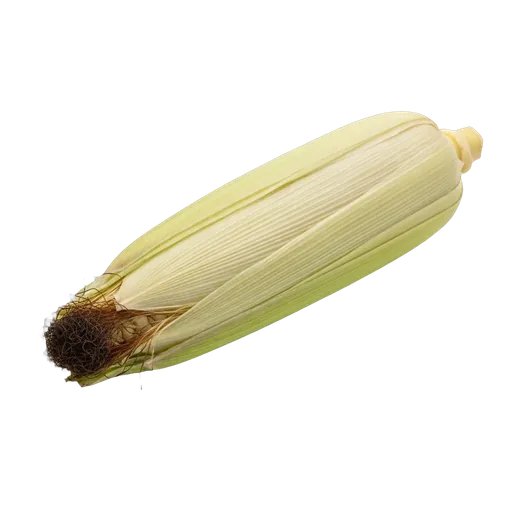
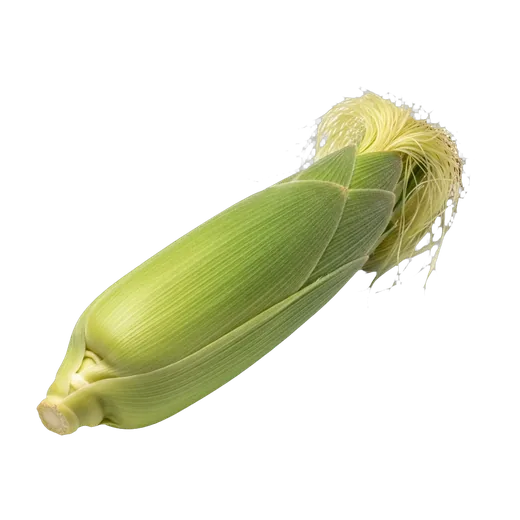
How to pick
Look at the silk — the fine threads emerging from the top of the husk. On a fresh ear, the silk is slightly moist, pliable, and may range from pale green to golden-brown depending on maturity; it should not feel dry or brittle or crumble between your fingers. Silk naturally darkens as the ear ages, so texture is the cue, not color — at the base, it should still feel supple. Husk that is already pulling back from the tip, papery in texture, or faded from bright green signals an old ear. Avoid ears where the silk is fully black, dry, and brittle and the husk is also faded — that combination means the ear is past prime.
Red flags
- Tip of the ear looks tapered or pointed rather than blunt and full — kernels didn't fill out to the end from poor pollination
- Husk feels dry, papery, or lightweight — moisture has left the kernels and the ear is past prime
- Slimy texture or visible mold on the silk where it enters the husk
- Insect damage or visible holes in the husk near the tip
- Sour or fermented smell near the husk ends — indicates kernel decay
How to store
Refrigerate immediately — standard (su) sweet corn can lose roughly half its sugar within 24 hours at warm temperatures (above ~86 °F (30 °C)) as sugars convert to starch; modern supersweet (sh2) varieties hold sugar longer but still benefit from cold storage. Keep in the husk until ready to cook. Use within 1–2 days of purchase for peak sweetness.
In the app
Scan
In the aisle, in seconds
Point the camera: pick or pass for that exact item, and the cue to trust next time.

Season where you live · Nutrients · Taste · Myths · Ayurveda


Free to install.
More to pick
Picking, storage, and freshness guidance is drawn from peer-reviewed postharvest research and agricultural extension sources. The sources are named in the app.