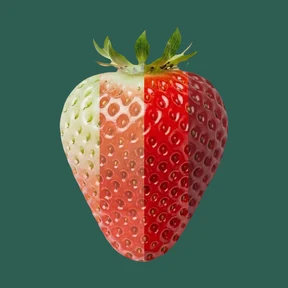
Vegetables · Edamame
How to pick good Edamame
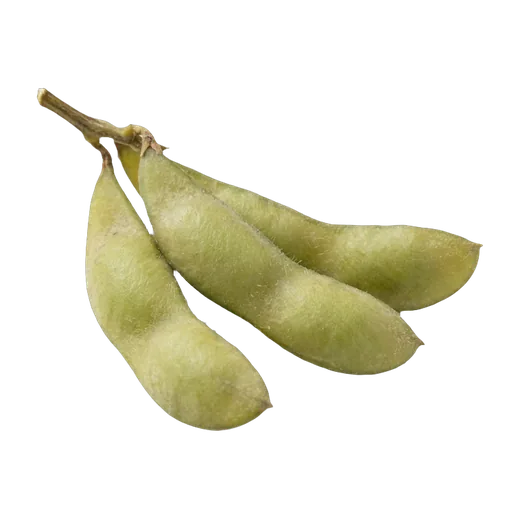
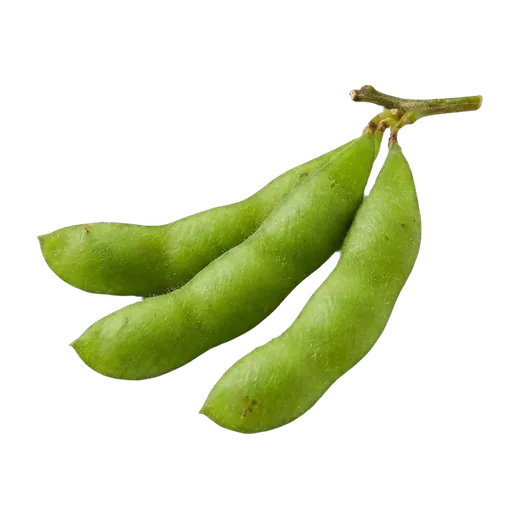
Bright green pods with the beans filling them out, packed dense in the bag
How to pick
Look for pods with a bright, uniform green color from end to end and no yellow tint — color is the first thing to fade as edamame ages. The beans inside should visibly fill out the pod to roughly 80-90% capacity, their outline showing distinctly through the pod skin; a flat pod with no visible bean shape was picked too early or has dried out. Pods should feel smooth and plump, and hold their round shape under a gentle squeeze rather than feeling soft. A full bag should feel noticeably dense and heavy for its size.
Red flags
- Pods turning pale or yellow-green overall — the earliest sign of aging, well before any browning shows
- Flat or sunken pods with no bean outline visible — underfilled or drying out
- Overall softness under a gentle squeeze — not just less-firm, but soft throughout — signals advanced spoilage, not just fading
- Wrinkled or shriveled skin, or a dull, dried-out surface
- Brown patches or spots on the pod surface — a later stage of deterioration
- Any sliminess, off smell, or visible mold — advanced spoilage
How to store
Refrigerate unwashed as soon as you get home — pods left at room temperature yellow and dry out within days, turning completely yellow and dry and hard by around the sixth day. Fresh edamame in the pod is best used within 2 to 3 days of purchase, in a sealed bag in the coldest part of the fridge; home fridges rarely hold the near-saturation humidity that lab storage trials use to stretch this further, so pods yellow faster than the ideal-conditions number suggests. Wash just before cooking. Frozen edamame (already blanched before freezing, which is standard commercial practice) holds good flavor and color for 6 to 12 months at 0°F (-18°C) or colder; unblanched freezing lets enzymes keep working and develops grassy, off flavors within a couple of months.
In the app
Scan
In the aisle, in seconds
Point the camera: pick or pass for that exact item, and the cue to trust next time.
Season where you live · Nutrients · Taste · Myths · Ayurveda


Free to install.
More to pick
Picking, storage, and freshness guidance is drawn from peer-reviewed postharvest research and agricultural extension sources. The sources are named in the app.