Vegetables · Eggplant
How to pick a good Eggplant
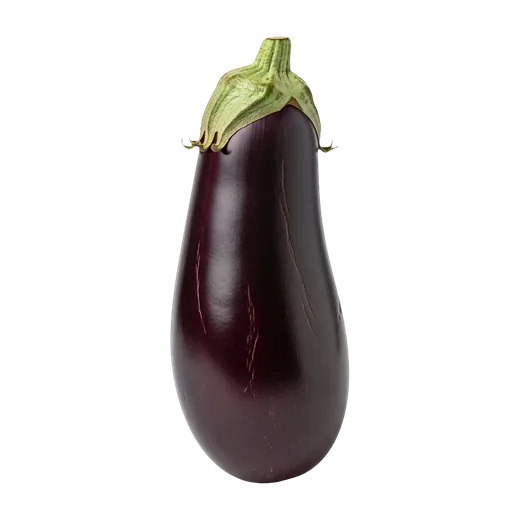
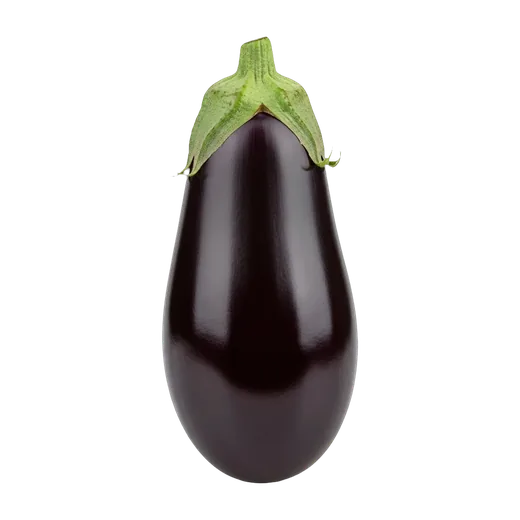
Mirror-bright skin and a fresh green cap — that gloss means the flesh is still firm inside
How to pick
Look for deeply glossy, taut skin — a mirror-like sheen across the entire surface is the clearest sign of freshness. Check the calyx: it should be bright green, firmly attached with no browning at the edges. Lift the eggplant — a fresh one feels surprisingly heavy and solid for its size. For size, medium is better than very large — oversized eggplants tend to have more developed seeds and a more bitter, spongy interior.
Red flags
- Dull, matte, or wrinkled skin — sheen loss is the earliest visible sign of age
- Brown, dry, or shriveled calyx — the green cap dries out quickly once past peak
- Visible soft spots or bruising — skin looks dented or slack rather than taut and smooth
- Lightweight or hollow feel when lifted — indicates seedy, dried-out interior
- Very large size for the variety — more likely to have developed, bitter seeds inside
- Cuts or punctures on the skin — entry points for mold and rapid decay
How to store
Store unwashed at room temperature for up to 2 days — this is the preferred option since most home refrigerators run at 37–41 °F (3–5 °C), well below eggplant's ideal 50–54 °F (10–12 °C); injury sets in below about 50 °F (10 °C) and shows after roughly a week. If you need longer storage, use the warmest part of the fridge (door shelf) and expect some surface pitting; use within 4 days. Do not store near ethylene-producing fruits.
In the app
Scan
In the aisle, in seconds
Point the camera: pick or pass for that exact item, and the cue to trust next time.

Season where you live · Nutrients · Taste · Myths · Ayurveda


Free to install.
More to pick
Picking, storage, and freshness guidance is drawn from peer-reviewed postharvest research and agricultural extension sources. The sources are named in the app.