Fruits · Orange
How to pick a ripe Orange
Fragrant at the stem, heavy for its size — that's the one to buy
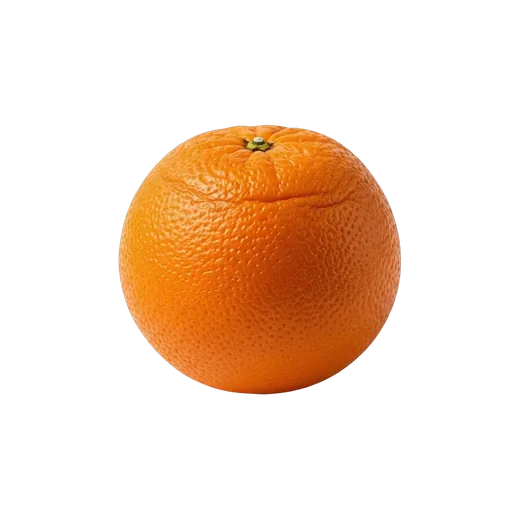
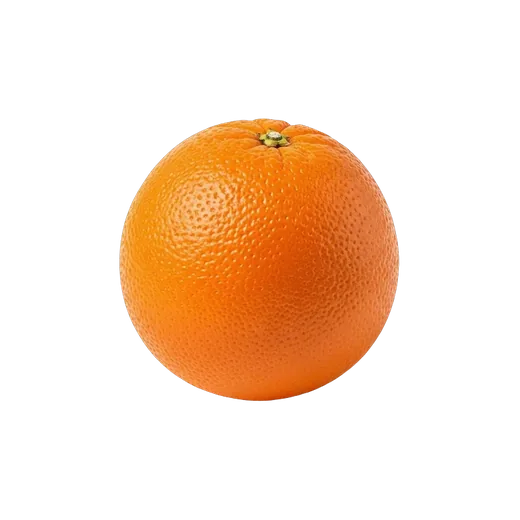
How to pick
Smell the stem end first — a ripe, juicy orange has a noticeable fresh citrus fragrance there; a dried-out or pith-heavy one has almost no scent at all. Then lift it — a juicy orange is noticeably heavy for its size because the flesh is dense with liquid. An orange that feels light has either dried out in storage or has thick pith and little juice. The skin should be firm and taut. Color varies by variety — green patches on Valencia or Indian mandarin varieties do not mean unripe. On navel varieties, a small, tight navel indicates the fruit finished development without overgrowing.
Red flags
- Feels light for its size — pith-heavy, dried out, or low juice content
- Very soft, spongy, or mushy patches anywhere on the surface — decay inside
- Moldy or wet spots near the navel or stem end
- Wrinkled, shrunken, or rubbery skin — moisture has been lost in storage
- Very large, protruding, or split navel on navel varieties — associated with rind disorders and uneven ripening
How to store
Store at room temperature for up to a week, or refrigerate in the crisper drawer for up to 2–3 weeks. Oranges do not ripen further after harvest, so what you buy is what you get. Peeled or segmented oranges should be refrigerated in an airtight container and used within 3–4 days.
In the app
Scan
In the aisle, in seconds
Point the camera: pick or pass for that exact item, and the cue to trust next time.

Season where you live · Nutrients · Taste · Myths · Ayurveda


Free to install.
More to pick
Picking, storage, and freshness guidance is drawn from peer-reviewed postharvest research and agricultural extension sources. The sources are named in the app.