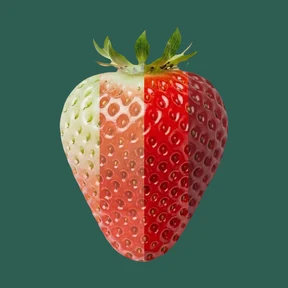
Roots · Red Radish
How to pick a good Red Radish
Heavy and hard for the size — that density means the flesh is still crisp and full of water
How to pick
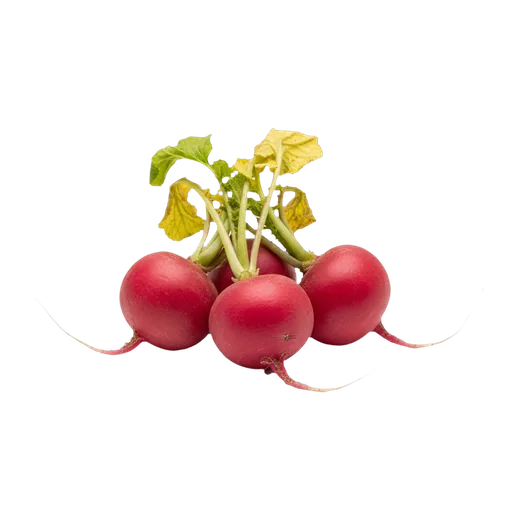
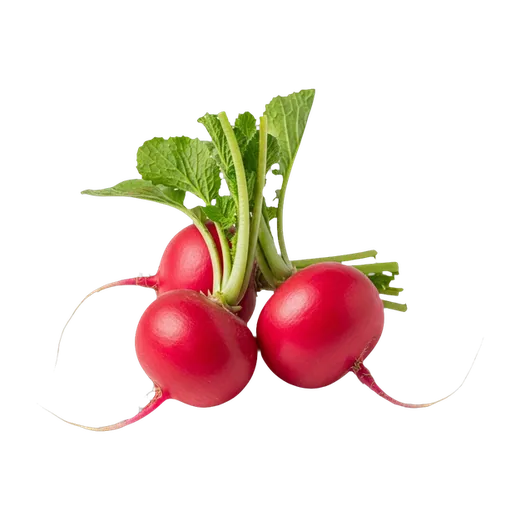
Pick up a radish and feel its weight before you look at anything else. A fresh radish is noticeably dense and hard for such a small root — it should feel like a solid marble, not a hollow ping-pong ball. That density is moisture still locked in the flesh; once it leaves, the flesh goes spongy and the crisp bite disappears. After the heft check, look at the skin: a good radish is uniformly vivid red with a slight natural gloss. Dull or matte skin means moisture loss has already begun. For bunched radishes, the tops are a reliable freshness indicator — deep green upright tops mean the roots beneath are fresh; yellowing or limp tops signal stored age.
Red flags
- Light or hollow-feeling for its size — moisture has left the flesh; the root will be spongy rather than crisp
- Matte or dull skin instead of the characteristic slight natural gloss — early moisture loss from the surface
- Soft or yielding under a gentle palm cradle instead of firm and unyielding
- Visible wrinkling or surface shriveling anywhere on the root body
- Yellowing or limp tops on bunched radishes — tops deteriorate before the root but signal stored age
- Brown or black sunken lesions on the skin — sign of bacterial or fungal disease; do not buy
- Faded or paling red skin color — advanced moisture loss or extended storage
How to store
Refrigerate immediately — radishes are not chilling-sensitive and keep best as cold as possible without freezing. If they came bunched, remove the tops before storing: the leafy greens continue to draw moisture from the root and will accelerate softening within a day or two. Store the roots loosely in the crisper drawer, wrapped in a barely damp paper towel inside a perforated bag or a container with some airflow — a sealed airtight bag traps condensation and promotes the mold and bacterial growth that cause soft rot. Topped radishes last 1–2 weeks in a home refrigerator; commercial cold storage at 32 °F (0 °C) with very high humidity can extend this to 3–4 weeks, but home fridges run warmer and drier. Save the tops separately in a damp paper towel and use within 2–3 days (edible as greens, good in stir-fries or soups).
In the app
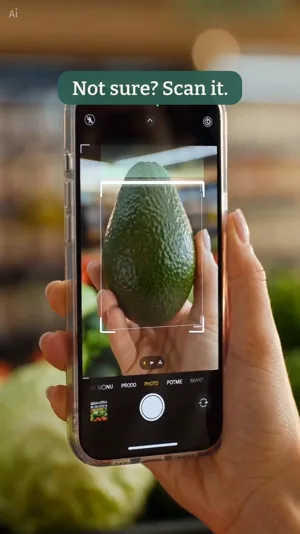
Scan
In the aisle, in seconds
Point the camera: pick or pass for that exact item, and the cue to trust next time.
Season where you live · Nutrients · Taste · Myths · Ayurveda


Free to install.
More to pick
Picking, storage, and freshness guidance is drawn from peer-reviewed postharvest research and agricultural extension sources. The sources are named in the app.