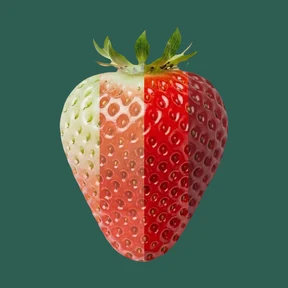
Roots · Yam
How to pick a good Yam
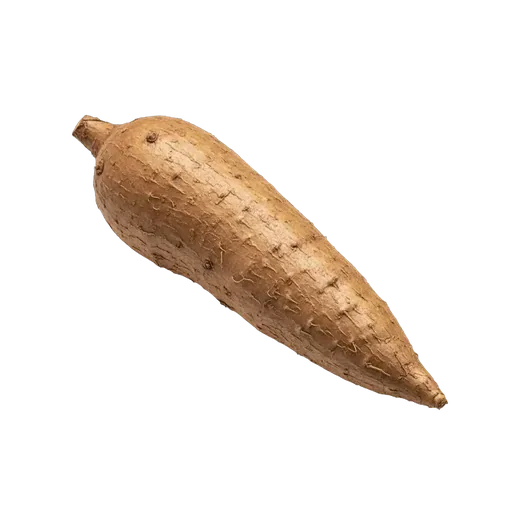
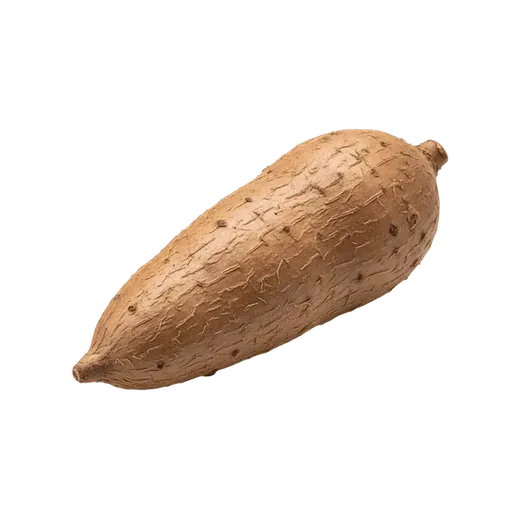
Heavy for its size with dry, calloused ends — that's a sound yam
How to pick
Look for a tuber that feels dense and heavy for its size — unexpected lightness signals moisture loss or internal decay. Inspect any cut ends (yams are often sold with one or both ends cut): they should be dry and pale cream or tan, with no darkening or discoloration spreading inward from the edge. Check the skin surface for large cracks exposing raw flesh or small circular holes (up to ⅛ inch [1–3 mm] — insect tunneling). No visible sprout growth, or only the tiniest dormant buds barely breaking the surface. If an end is exposed, a mild earthy smell is fine — musty, fermented, or sour is a red flag.
Red flags
- Soft spots, darkening, or discoloration spreading inward from the cut ends — distinct from the normal dry pale-cream callus; this is where fungal rot concentrates first
- Active sprouting with stems longer than ⅜ inch (1 cm) — energy reserves are being consumed and quality drops rapidly from this point
- White, yellow, or green cottony or velvety mold patches anywhere on the skin
- Circular holes up to ⅛ inch (1–3 mm) in diameter on the skin surface — insect tunneling
- Feels hollow or unexpectedly light when lifted — internal moisture loss or decay well advanced before showing externally
- Musty, fermented, or sour smell from the skin or cut end
How to store
Cool, dark, well-ventilated space at 59–63 °F (15–17 °C) — a pantry, cellar, or unheated room. Do NOT refrigerate: true yam suffers chilling injury below about 54 °F (12 °C); a standard refrigerator (35–40 °F [2–4 °C]) will damage the flesh. Do not store in sealed plastic bags — airflow is essential to prevent moisture buildup and mold. Keep whole until ready to use; once cut, wrap the cut surface tightly and refrigerate, using within 1–2 days. At home pantry temperatures (68–72 °F [20–22 °C]), expect 4–8 weeks before quality declines; in a cool cellar held near 59–63 °F (15–17 °C), up to 3–4 months is achievable. Yellow yam (D. cayenensis) is the most fragile variety and should be used within a few weeks of purchase.
In the app
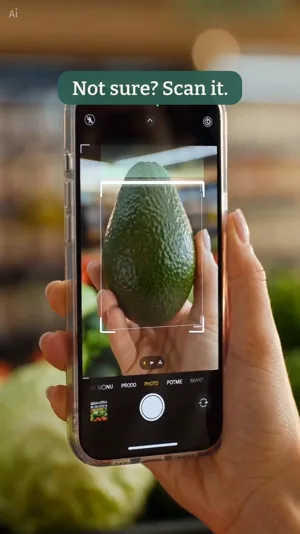
Scan
In the aisle, in seconds
Point the camera: pick or pass for that exact item, and the cue to trust next time.
Season where you live · Nutrients · Taste · Myths · Ayurveda


Free to install.
More to pick
Picking, storage, and freshness guidance is drawn from peer-reviewed postharvest research and agricultural extension sources. The sources are named in the app.