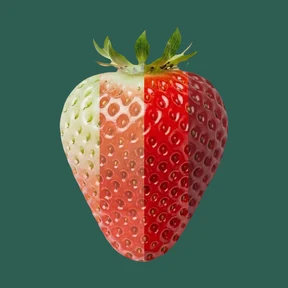
Vegetables · Snap Peas
How to pick good Snap Peas
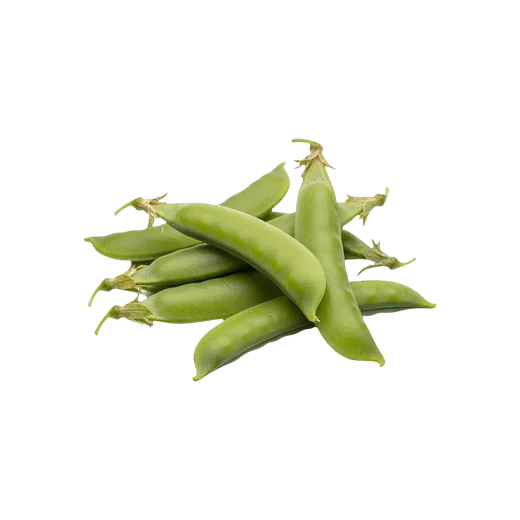
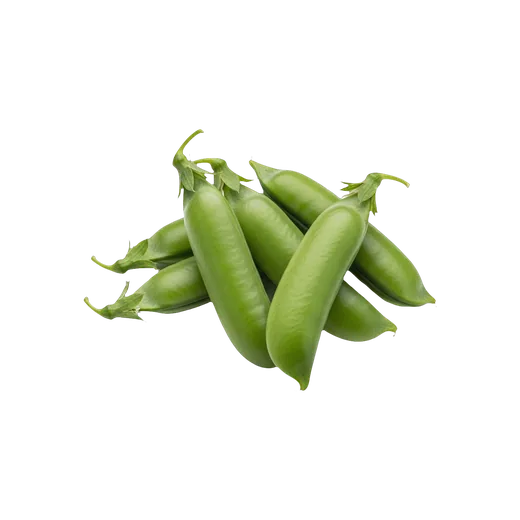
Pick plump, glossy pods with the peas filling them out — that's peak sweetness and crunch
How to pick
Scan the bin for pods with a bright, vivid green color and a clean glossy sheen from tip to stem — fresh snap peas have a naturally waxy, taut surface that catches store light. Look for pods that are plump and fully rounded, with the peas inside visibly filling out the pod wall; that filled-out look is what separates a peak snap pea from a flat, underdeveloped one (and, unlike shelling peas, the whole plump pod stays sweet and tender). Pods should hold their shape — firm and crisp, not flexing or sagging. Check the stem end: green and moist-looking signals a recent harvest. A fresh handful feels noticeably weighty and solid for its size.
Red flags
- Yellowing anywhere on the pods — chlorophyll has broken down and the peas are past prime and starchy
- Translucent or water-soaked patches on the pod surface — decay onset or freeze damage from storage that was too cold
- Rusty-brown or purplish blotches and sunken spots on the pod surface — a field fungus or handling bruises that have started to break the skin down
- Flat, thin pods with no peas filling out — picked too early, low on sugar and crunch
- Brown, dried, or shriveled stem ends — the pods were harvested days ago
- Any sliminess or fuzzy mold, especially at the stem end — advanced decay, the whole bin may be compromised
How to store
Refrigerate unwashed in the crisper drawer on the high-humidity setting. Optimal temperature 32–40 °F (0–4 °C) with 90–98% humidity — snap peas lose crispness fast in dry air. Use within 5–7 days for the best snap and sweetness, since the sugars convert to starch over time even in the fridge. Do not let them freeze in a too-cold fridge — ice crystals cause water-soaked pitting. Wash just before eating, not before storing — surface moisture speeds decay. Keep away from ethylene-producing fruit (apples, bananas, pears); ethylene accelerates yellowing and sugar loss.
In the app
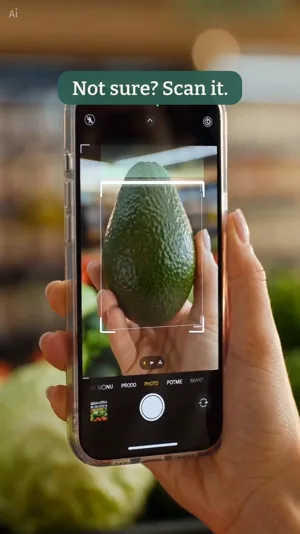
Scan
In the aisle, in seconds
Point the camera: pick or pass for that exact item, and the cue to trust next time.
Season where you live · Nutrients · Taste · Myths · Ayurveda


Free to install.
More to pick
Picking, storage, and freshness guidance is drawn from peer-reviewed postharvest research and agricultural extension sources. The sources are named in the app.