Roots · Onion
How to pick a good Onion
Paper-dry neck, no green — that's the onion to buy
How to pick
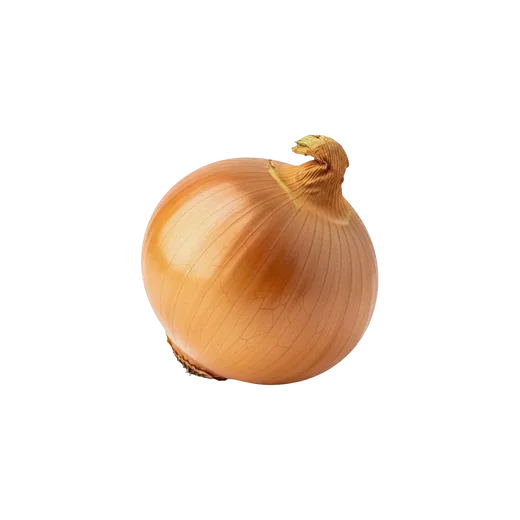
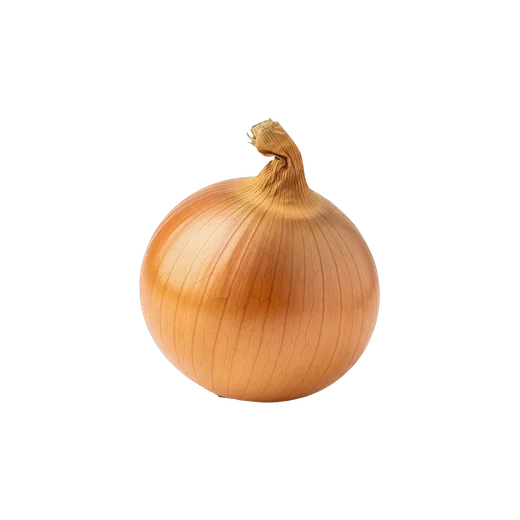
Check the neck first — the tapered top where the green shoot was. On a well-cured onion it will be completely dry, thin, and papery, with no give at all when you press it. A thick, soft, or even slightly yielding neck is the earliest sign that rot or sprouting has begun inside the bulb, long before it is visible on the outside. The outer skin should be papery dry and rustling — if it feels damp or is already peeling away in large patches, the curing was incomplete. Cup the whole bulb in your palm: it should feel hard and dense, with absolutely no soft areas anywhere. Skip any onion where you can see a green shoot pushing through the neck.
Red flags
- Thick, soft, or yielding neck — rot or internal sprouting has likely started
- Green shoot visible at the neck — sprouting has started; sugars and moisture have shifted to new growth, not the bulb
- Damp or mold-spotted outer skin — curing was insufficient or storage was wet
- Soft patches anywhere on the bulb when cradled gently in the palm
- Strong sulfurous or fermented smell — indicates bacterial soft rot inside
How to store
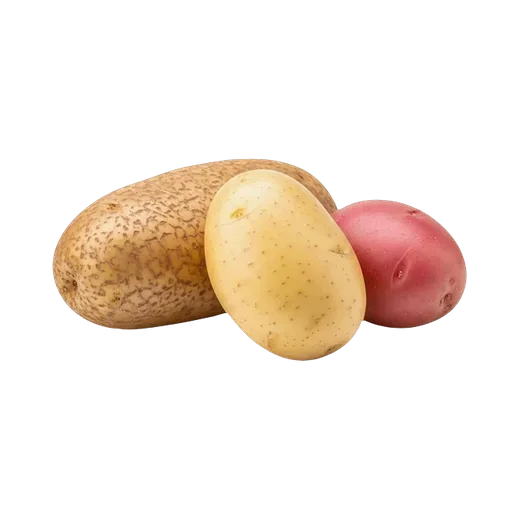
Store in a cool, dry, well-ventilated spot away from direct light — a mesh bag or open basket works better than a sealed plastic bag, which traps moisture and accelerates rot. Never store onions next to potatoes, but not for the reason usually given: it is about water, not gas. Onions want dry air (65–70% humidity); a potato is mostly water and steadily gives it off, wanting about 90%. Onions left in that damp air soften, mold and sprout. Properly stored whole onions last 1–3 months. Sweet varieties are high-moisture and keep only 2–4 weeks. Once cut, refrigerate in a sealed container and use within a week.
In the app
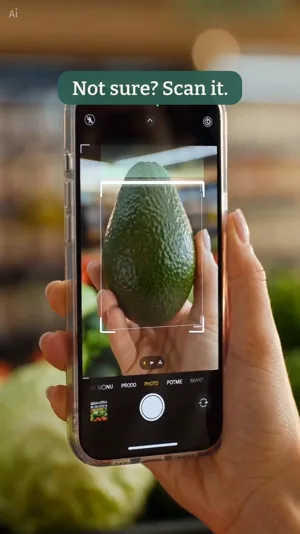
Scan
In the aisle, in seconds
Point the camera: pick or pass for that exact item, and the cue to trust next time.
Season where you live · Nutrients · Taste · Myths · Ayurveda


Free to install.
More to pick
Picking, storage, and freshness guidance is drawn from peer-reviewed postharvest research and agricultural extension sources. The sources are named in the app.