Fruits · Lychee
How to pick a ripe Lychee
All-red skin, dense and heavy in hand — lychee's flavor is locked at harvest
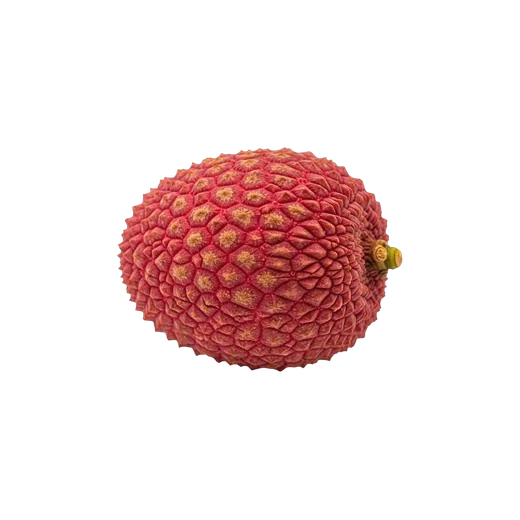
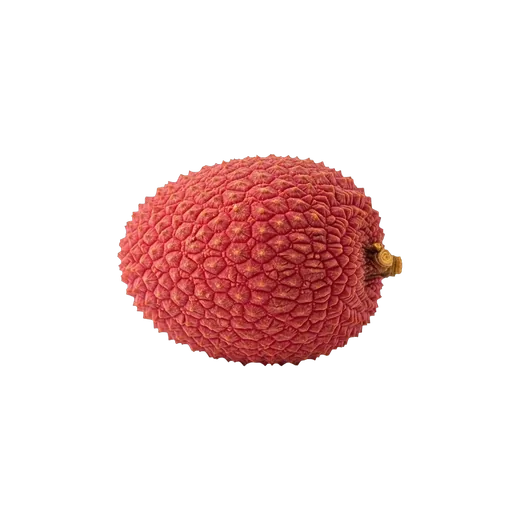
How to pick
Color is your primary guide — look for fruit with the most vivid, even pink-red to deep red coverage across the entire pericarp. Even small clusters of tan-brown at the tubercle tips signal quality is past peak — always pick the most uniformly red fruit in the bin. Next, assess weight: hold a few fruit gently in your palm — a good lychee is remarkably dense and juicy-heavy for its small size. A fruit that feels light or hollow has already lost internal moisture. Look at the surface texture: the small conical protuberances (tubercles) should appear fully extended and hydrated. If they look flattened or desiccated even while the background color still looks red, the fruit is dehydrating. At the stem end, a faint sweet-floral fragrance is a positive freshness indicator. Lychee is a non-climacteric fruit — it does not ripen after harvest. Sweetness and flavor complexity are locked at the moment of picking, so the freshest batch on the shelf is always the best choice.
Red flags
- Any tan or brown patches on the pericarp surface — pericarp browning always signals declining quality in lychee; even a few brown spots at the tubercle tips indicate the enzymatic process is underway
- Light or hollow feeling for the fruit's size — the fully turgid aril is what gives lychee its characteristic density; a light fruit means internal dehydration or aril softening has begun
- Flattened or desiccated-looking tubercles even when the overall background color is still red — surface moisture loss is progressing faster than the color change
- Musty, fermented, or wine-like odor at the stem end — indicates anaerobic fermentation in the aril; the fruit will taste alcoholic or off
- Cracked or split pericarp — severe desiccation has caused structural failure; the exposed aril inside is no longer protected
When will it be ripe?
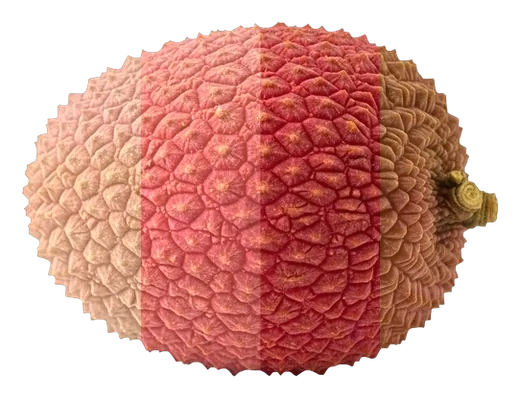
- Pale pink · stays sour Shell still pale pink or pale yellow rather than a full even red, the color only partly turned.
- Even pink-red · good buy Evenly pink-red over the whole shell, the small cone-shaped bumps full and hydrated.
- Deep even red · eat now Deep, vivid red over the entire shell, bumps fully extended, faint sweet-floral smell at the stem end.
- Brown tips · drying out Tan-brown patches spreading from the tips of the bumps, the bumps flattened, shell dry and starting to crack.
How to store
Refrigerate immediately in a sealed plastic bag or tightly closed container in the crisper drawer at 38–41 °F (3–5 °C). Lychee requires very high humidity (90–95%) to slow pericarp browning — keeping fruit sealed prevents moisture loss. Do not wash until just before eating; surface moisture during storage accelerates mold and decay. At home refrigerator temperatures expect 5–7 days of peak quality. Do not store unpeeled lychees at room temperature — at ambient temperatures (above 77 °F [25 °C]), browning begins within 24–48 hours.
In the app
Scan
In the aisle, in seconds
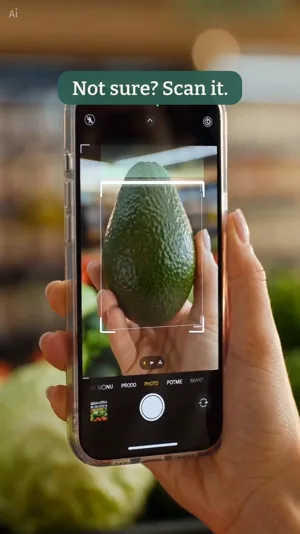
Point the camera: pick or pass for that exact item, and the cue to trust next time.
Season where you live · Nutrients · Taste · Myths · Ayurveda


Free to install.
More to pick
Picking, storage, and freshness guidance is drawn from peer-reviewed postharvest research and agricultural extension sources. The sources are named in the app.