Fruits · Mango
How to pick a ripe Mango
Sweet floral scent at the stem — color is unreliable across varieties
How to pick
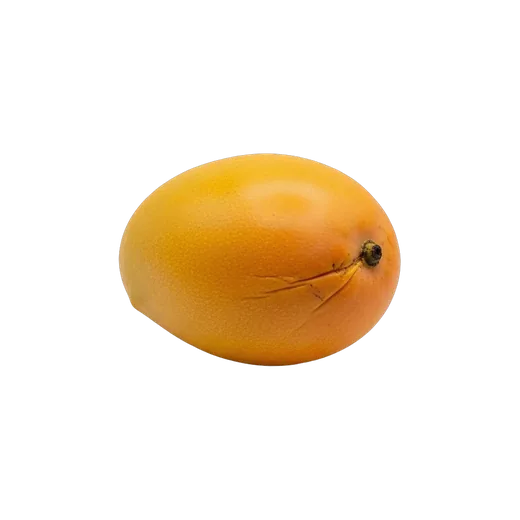
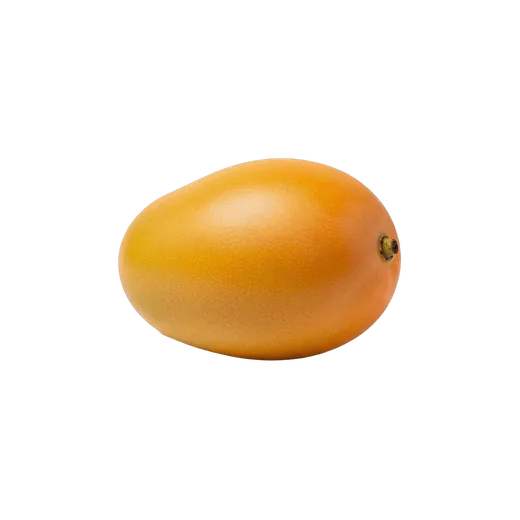
Smell the stem end first — a ripe mango has a sweet, floral fragrance right at the base. No smell means not ready; sour or alcoholic means overripe. Then check the skin: it should be plump and taut with no wrinkling or dark sunken spots — those mean past peak or damaged. Cradle it in your whole palm: a ripe mango gives very slightly under gentle pressure but never feels mushy or rock-hard. Lift it — a heavier mango for its size signals more developed dry matter and better flavor when ripe. Color is the least reliable cue: Alphonso and Ataulfo turn golden, Langra and Dasheri stay green at peak ripeness, Tommy Atkins develops a red blush even when underripe. Let smell and skin condition lead — color just tells you the variety.
Red flags
- No fragrance at the stem end — not ready yet
- Sour, fermented, or alcoholic smell at the stem — overripe
- Rock-hard with zero give under whole-palm pressure
- Dark sunken soft spots or wrinkled skin — damaged or overripe
- Light and hollow-feeling for its size — underdeveloped flesh
When will it be ripe?
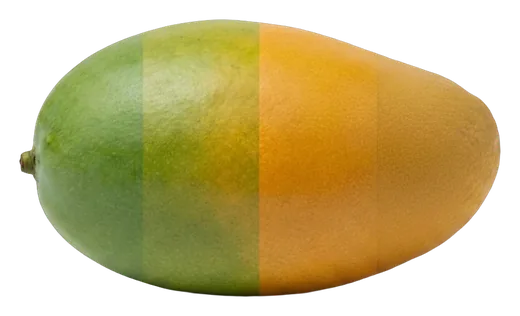
- No smell · not yet No fragrance at the stem end, and rock-hard with zero give under whole-palm pressure.
- Faint scent · nearly A faint sweet smell starting at the stem end and the first slight give under a whole palm.
- Sweet at stem · eat now A strong sweet floral smell right at the stem, skin plump and taut, giving very slightly but never mushy.
- Wrinkled · check smell Wrinkled skin or dark sunken soft spots, and a sour or alcoholic smell at the stem.
How to store
Keep unripe mangoes at room temperature until soft and fragrant, then refrigerate up to 5 days. Do not refrigerate while still hard — ripening stops.
In the app
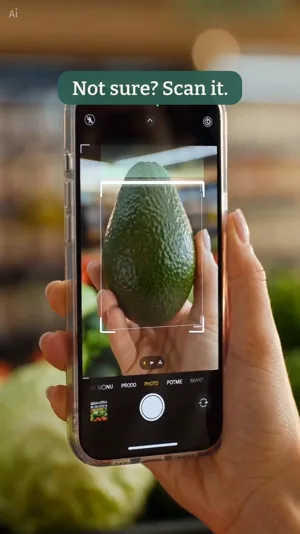
Scan
In the aisle, in seconds
Point the camera: pick or pass for that exact item, and the cue to trust next time.
Season where you live · Nutrients · Taste · Myths · Ayurveda


Free to install.
More to pick
Picking, storage, and freshness guidance is drawn from peer-reviewed postharvest research and agricultural extension sources. The sources are named in the app.