Herbs · Aloe Vera
How to pick fresh Aloe Vera
Heavy for its size, green tip to base — the gel is still there
How to pick
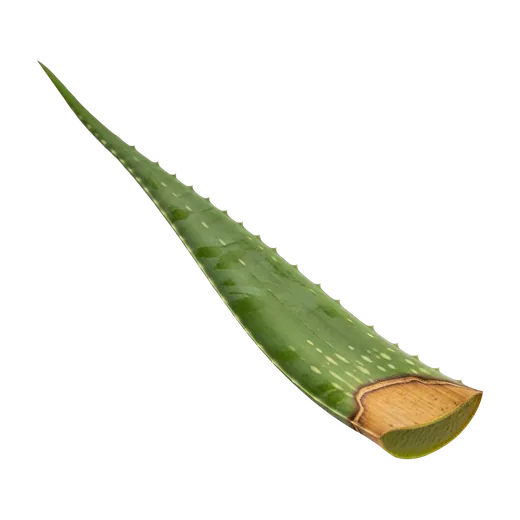
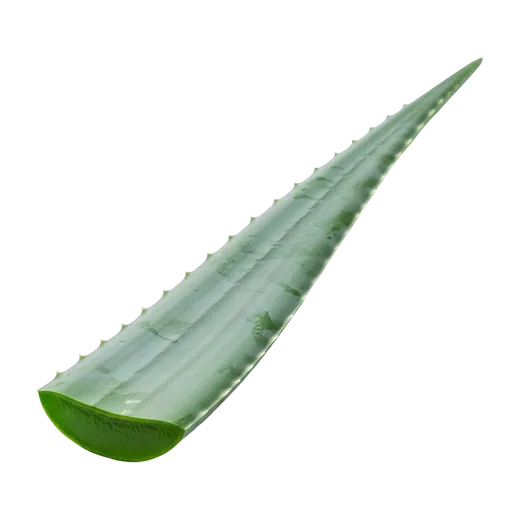
Choose the thickest, heaviest leaf you can find — thickness means more inner gel and fresher harvest. Check the cut base: it should look clean and barely dried, not covered in a thick amber-brown crust (dried aloin). Look at the tip: should be fully green with no brown necrotic zone. The rind should be a consistent medium to blue-green, not yellowing at the edges. The leaf should feel noticeably dense and heavy for its length.
Red flags
- Thick amber-brown dried crust at the cut base — aloin oxidation, indicates days since harvest
- Yellow or brown tip necrosis — dry, shriveled tip zone signals senescence beginning
- Yellowing along the leaf margins or body — chlorophyll loss, past prime
- Shriveled or inward-curling serrated edges — moisture loss, dehydration
- Leaf feels light or hollow for its size — gel has degraded or dried internally
- Sliminess or mold at the cut end
How to store
Refrigerate whole leaves in a sealed bag or wrapped in plastic — they keep approximately 1–2 weeks. Whole uncut leaves can sit at room temperature for several days, but refrigeration is best for longer storage; the gel at the cut base degrades with air exposure. If you have cut into a leaf, wrap the cut end tightly in plastic wrap and refrigerate; use within 3–5 days. Note: home storage guidance for fresh aloe leaf is not established in formal postharvest literature — these figures are widely cited consumer recommendations.
In the app
Scan
In the aisle, in seconds
Point the camera: pick or pass for that exact item, and the cue to trust next time.

Season where you live · Nutrients · Taste · Myths · Ayurveda


Free to install.
More to pick
Picking, storage, and freshness guidance is drawn from peer-reviewed postharvest research and agricultural extension sources. The sources are named in the app.